
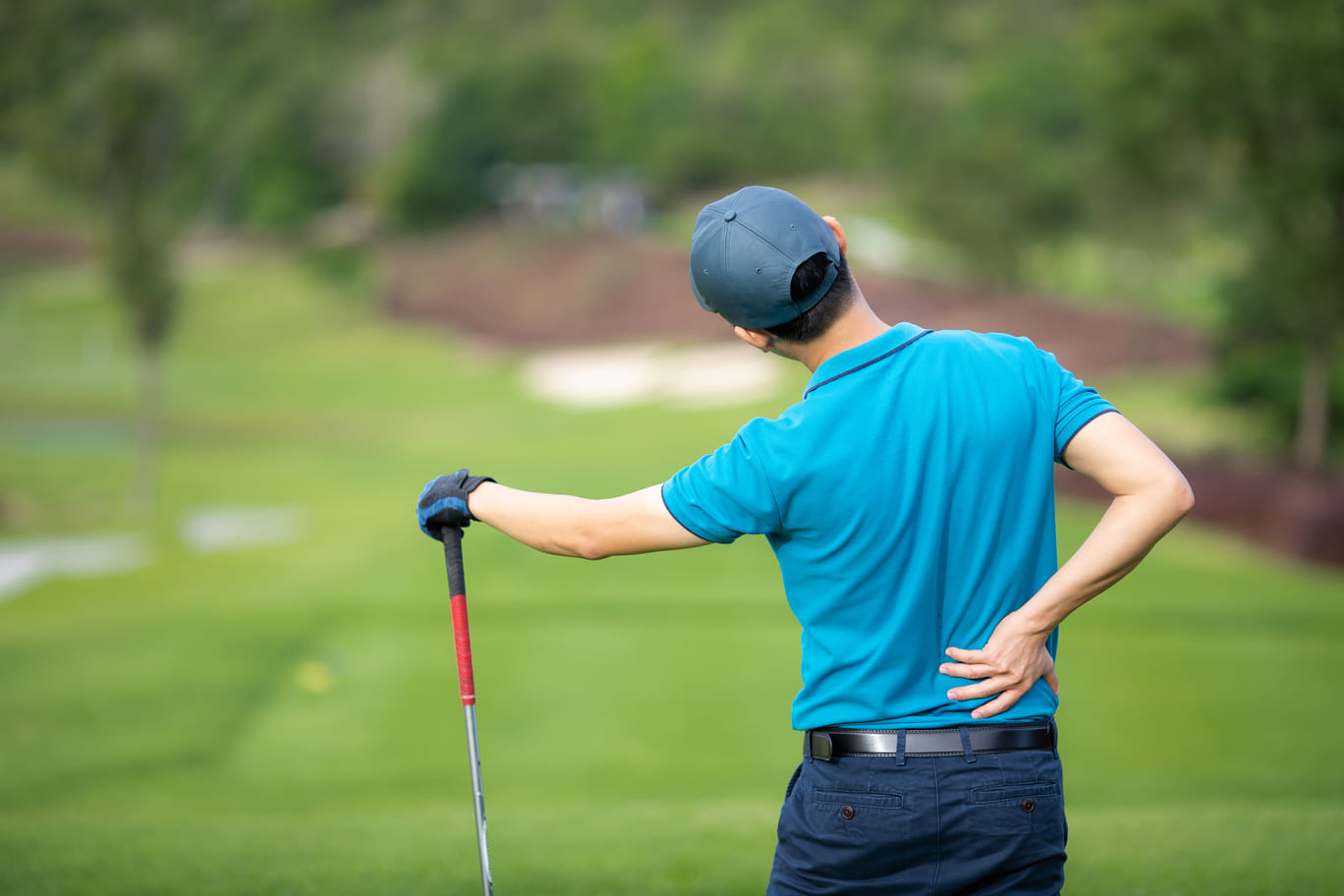
Golf Injuries Care for Active Patients
Spencer Orthopedics provides sports medicine care for golf athletes and active patients throughout Palm Desert, La Quinta, and the Coachella Valley. Golf injuries can happen suddenly or build gradually over time, especially when the body is exposed to rotational swing mechanics, repetitive practice, walking uneven terrain, and force transfer through the hips, spine, elbows, wrists, and shoulders. The goal of care is to identify the source of pain, protect long-term joint health, and help each patient return to activity with a safe, realistic plan.
This page is designed for recreational players, competitive athletes, weekend warriors, and active adults who want to stay in motion. Whether symptoms started after one game or developed after months of play, an orthopedic and sports medicine evaluation can help determine whether the problem is related to muscle strain, tendon irritation, ligament injury, cartilage damage, joint inflammation, nerve irritation, or a fracture.
Common Golf Injuries We Evaluate
Because golf stresses multiple joints at the same time, symptoms may appear in more than one area. Patients may notice golfer's elbow, wrist pain, shoulder pain, hip pain, knee discomfort, foot and ankle pain, and low back strain. A complete evaluation helps separate the main pain generator from secondary compensation, which is important for long-term improvement.
- Shoulder injuries: overhead shots, falls, throwing-style motions, and repetitive reaching can irritate the rotator cuff, biceps tendon, labrum, or AC joint.
- Elbow injuries: gripping, swinging, pushing, and impact can contribute to tennis elbow, golfer's elbow, ligament strain, or joint irritation.
- Hand & Wrist injuries: falls, repetitive gripping, vibration, and force through the handle or equipment can lead to sprains, tendinitis, fractures, numbness, or swelling.
- Hip injuries: rotation, cutting, lunging, and repetitive stride mechanics can aggravate hip flexors, bursae, labrum, or arthritic joints.
- Knee injuries: pivots, stops, jumps, contact, and uneven ground can stress the ACL, MCL, meniscus, kneecap, and cartilage surfaces.
- Foot & Ankle injuries: quick direction changes, landing, cleat or shoe fit, and uneven surfaces can cause ankle sprains, tendon pain, heel pain, or foot stress injuries.
- Back injuries: rotation, extension, prolonged posture, and core fatigue may contribute to low back strain, disc irritation, or nerve-related symptoms.
Early care is especially helpful when pain changes movement patterns. For example, a patient with elbow pain may alter the shoulder or wrist mechanics, while a patient with knee pain may begin loading the hip or ankle differently. Addressing the entire kinetic chain can support better recovery and reduce the chance of symptoms returning.
Symptoms That Should Not Be Ignored
Athletes often try to play through discomfort, but some symptoms deserve prompt attention. Schedule an evaluation if golf pain lasts more than a few days, returns every time you play, limits range of motion, affects strength, causes swelling, or makes it difficult to perform daily activities. Sudden pain after a fall, pop, twist, collision, or awkward landing should be assessed sooner.
Other warning signs include joint locking, catching, visible deformity, inability to bear weight, numbness, tingling, progressive weakness, or pain that wakes you at night. These symptoms do not always mean surgery is needed, but they do mean the injury should be diagnosed accurately before returning to full activity.
Diagnosis and Personalized Treatment
A sports medicine visit typically begins with a conversation about how the pain started, what movements reproduce it, previous injuries, training volume, equipment, and goals for returning to golf. The exam may evaluate strength, flexibility, range of motion, joint stability, tenderness, nerve symptoms, balance, gait, and sport-specific mechanics. X-rays, ultrasound, or MRI may be recommended when a structural injury is suspected or when symptoms do not improve with initial care.
Treatment often starts with conservative options such as activity modification, physical therapy, bracing, medication guidance, injections when appropriate, and progressive return-to-play planning. If a tear, fracture, unstable ligament injury, or advanced joint problem is identified, the team can discuss additional orthopedic options. The best plan depends on the diagnosis, pain level, season timing, overall health, and what the patient wants to return to.
Recovery, Prevention, and Return to Sport
A safe return to golf is not only about reducing pain. It also requires restoring mobility, strength, endurance, balance, confidence, and movement control. Rehabilitation may include sport-specific exercises, shoulder and core strengthening, hip and knee stabilization, grip or wrist conditioning, footwear or equipment discussion, and a gradual increase in playing time.
Prevention focuses on warm-up habits, recovery days, flexibility, strength training, technique, and listening to early symptoms before they become limiting. Patients who want to keep playing long term benefit from understanding why the injury occurred and what can be adjusted to reduce repeated stress.
Get back to the golf activities you enjoy. Request an appointment with Spencer Orthopedics to discuss your symptoms, diagnosis, and treatment options.


