
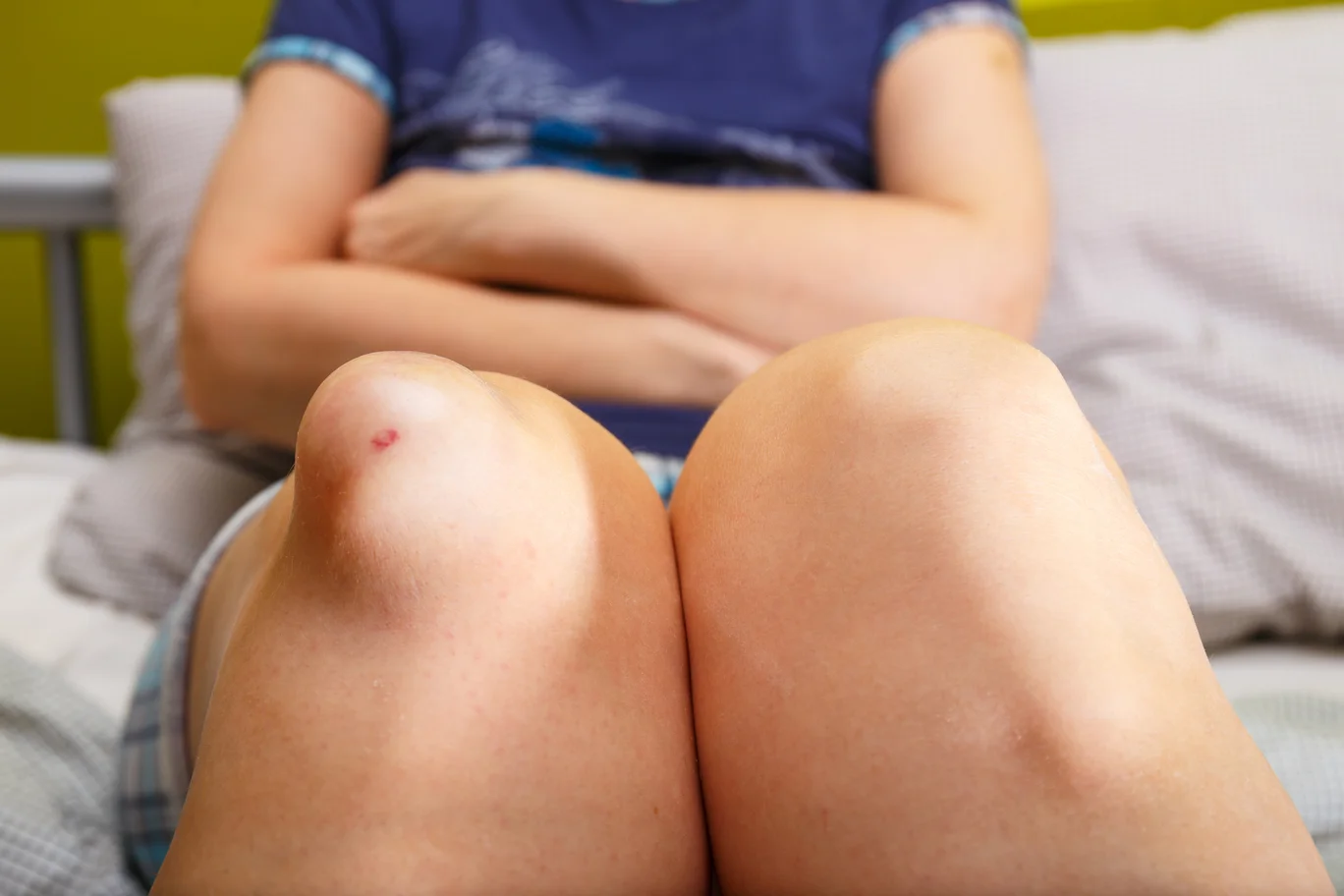
Patellofemoral Disorders & Patellar Dislocation Treatment in Coachella Valley
Understanding Patellofemoral Disorders
Patellofemoral disorders are a group of conditions affecting the kneecap (patella) and the groove in the femur where it normally moves during knee motion. These conditions can cause pain, instability, recurrent dislocations, and limitations in daily activities or sports participation.
One of the most significant patellofemoral conditions is a patellar dislocation, which occurs when the kneecap shifts out of its normal position. While some patients experience a single dislocation, others develop recurrent instability that may require specialized treatment.
At Spencer Orthopedics, we provide comprehensive evaluation and treatment for patellofemoral disorders, helping patients restore knee stability, reduce pain, and return to active lifestyles.
What Is the Patellofemoral Joint?
The patellofemoral joint is formed by:
- The patella (kneecap)
- The femur (thigh bone)
The patella moves within a groove at the front of the femur called the trochlear groove.
This joint plays an important role in:
- Knee extension
- Walking
- Running
- Jumping
- Climbing stairs
- Athletic performance
Proper alignment of the patella is essential for normal knee function.
What Is a Patellar Dislocation?
A patellar dislocation occurs when the kneecap moves completely out of its normal groove, most commonly toward the outside of the knee.
Dislocations can occur due to:
- Trauma
- Twisting injuries
- Sports activities
- Underlying anatomical factors
In some cases, the patella returns to its normal position on its own. In others, medical intervention may be required.
Common Patellofemoral Disorders
Patellar Instability
Patellar instability occurs when the kneecap repeatedly shifts or partially dislocates during activity.
Patellar Subluxation
A subluxation is a partial dislocation in which the kneecap temporarily moves out of position before returning.
Patellar Dislocation
A complete displacement of the kneecap from its normal location.
Patellofemoral Pain Syndrome
Often referred to as "runner's knee," this condition causes pain around the front of the knee due to abnormal tracking or overuse.
Chondral Injuries
Patellar instability may cause cartilage damage within the knee joint.
Common Causes of Patellar Dislocation and Instability
Several factors may contribute to patellofemoral disorders.
Sports Injuries
Patellar dislocations frequently occur during:
- Soccer
- Basketball
- Football
- Volleyball
- Gymnastics
Twisting Motions
Sudden rotational forces may push the kneecap out of alignment.
Direct Trauma
A blow to the knee can result in dislocation.
Anatomical Factors
Certain structural characteristics may increase the risk of instability, including:
- Shallow trochlear groove
- Ligament laxity
- Patella alta (high-riding kneecap)
- Abnormal lower extremity alignment
Previous Dislocation
Patients who have experienced one dislocation are at increased risk of future instability episodes.
Symptoms of Patellofemoral Disorders
Symptoms vary depending on the condition and severity.
Common symptoms include:
- Pain at the front of the knee
- A sensation of the kneecap shifting
- Instability
- Swelling
- Clicking or popping sensations
- Difficulty climbing stairs
- Pain during squatting
- Fear of knee movement
- Recurrent dislocations
Following a dislocation, patients may notice immediate swelling and difficulty bearing weight.
Diagnosing Patellofemoral Disorders
A thorough evaluation is important to identify instability patterns and associated injuries.
Physical Examination
Your orthopedic specialist may assess:
- Patellar alignment
- Joint stability
- Range of motion
- Swelling
- Areas of tenderness
- Functional movement patterns
Imaging Studies
X-Rays
X-rays help evaluate:
- Patellar alignment
- Bone anatomy
- Fractures
- Structural abnormalities
MRI
MRI may identify:
- Ligament injuries
- Cartilage damage
- Bone bruising
- Loose fragments
- Associated soft tissue injuries
CT Scan
CT imaging may be used for surgical planning and evaluation of alignment abnormalities.
Non-Surgical Treatment Options
Many first-time dislocations can be treated without surgery.
Activity Modification
Limiting activities that aggravate symptoms allows healing to occur.
Bracing
Patellar stabilization braces may help improve support and confidence during activity.
Physical Therapy
Physical therapy often focuses on:
- Strengthening the quadriceps muscles
- Improving hip strength
- Enhancing balance
- Correcting movement mechanics
- Improving patellar tracking
Anti-Inflammatory Medication
Medication may help reduce pain and swelling.
Surgical Treatment Options
Surgery may be recommended when:
- Recurrent dislocations occur
- Significant instability persists
- Cartilage damage is present
- Structural abnormalities contribute to instability
MPFL Reconstruction
The medial patellofemoral ligament (MPFL) is one of the primary stabilizers of the kneecap.
MPFL reconstruction is commonly performed to restore stability after recurrent dislocations.
Tibial Tubercle Osteotomy
This procedure may be used to improve patellar alignment and tracking.
Trochleoplasty
In select cases, surgery may be performed to reshape the trochlear groove.
Cartilage Restoration Procedures
Additional procedures may be recommended when cartilage damage is present.
Recovery and Rehabilitation
Recovery depends on the severity of the condition and treatment performed.
Rehabilitation typically focuses on:
- Restoring motion
- Reducing swelling
- Improving strength
- Correcting movement mechanics
- Returning safely to sports and activities
Many patients achieve excellent outcomes through a structured rehabilitation program.
Potential Complications of Untreated Patellar Instability
Without appropriate treatment, recurrent instability may lead to:
- Chronic knee pain
- Repeated dislocations
- Cartilage damage
- Reduced athletic performance
- Early arthritis
- Functional limitations
Early intervention can help preserve knee health and prevent long-term complications.
When Should You See an Orthopedic Specialist?
You should seek evaluation if you experience:
- A kneecap that shifts out of place
- Recurrent instability
- Persistent knee pain
- Swelling after injury
- Difficulty participating in sports
- Ongoing symptoms despite conservative treatment
Prompt diagnosis can help identify the underlying cause and improve treatment outcomes.
Schedule an Appointment
If you are experiencing knee pain, instability, or symptoms of a patellar dislocation, contact Spencer Orthopedics today to schedule an evaluation and learn more about your treatment options.
Common Ankle Conditions (agregar [aqui](https://spencerorthopedics.com/services/ankle/))


