
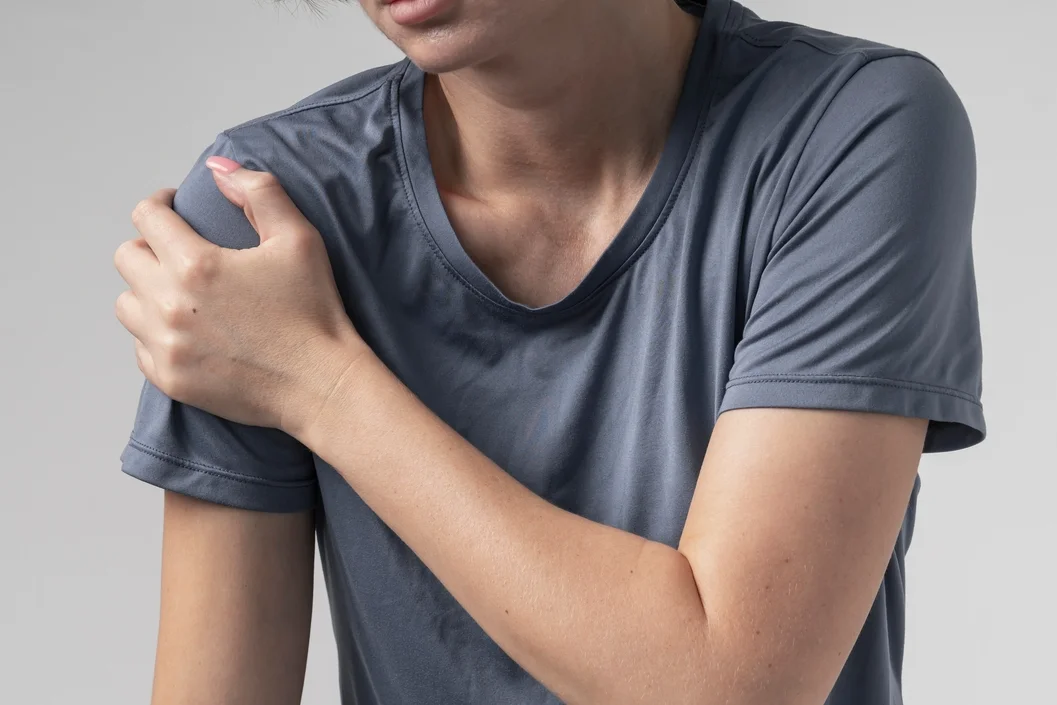
Labral (Bankart) Tear Care in Coachella Valley
The shoulder is one of the most mobile joints in the body, allowing a wide range of motion for daily activities, work, and sports. This mobility, however, also makes the shoulder vulnerable to instability and injury. One of the most common injuries associated with shoulder instability is a labral tear.
A Bankart tear is a specific type of labral injury that occurs when the cartilage lining the shoulder socket becomes damaged, often following a shoulder dislocation. These injuries can cause pain, weakness, clicking sensations, and repeated episodes of shoulder instability.
At Spencer Orthopedics, we provide comprehensive evaluation and treatment for labral tears, helping patients regain shoulder stability, function, and confidence.
What Is a Labral Tear?
The shoulder is a ball-and-socket joint made up of the humeral head (ball), the glenoid (socket), and surrounding ligaments, muscles, and tendons. The labrum is a ring of cartilage that surrounds the socket and helps deepen it, improving shoulder stability. When the labrum becomes torn, the shoulder may become unstable, painful, and more prone to future injuries.
What Is a Bankart Tear?
A Bankart tear is a specific injury involving the lower front portion of the labrum. This injury commonly occurs after shoulder dislocations, sports injuries, falls, and traumatic accidents. When a Bankart tear occurs, the stabilizing structures of the shoulder may no longer adequately hold the humeral head within the socket.
Common Causes of Labral Tears
Traumatic Injuries
- Shoulder dislocation
- Falling onto an outstretched arm
- Direct impact during sports
- Motor vehicle accidents
- Heavy lifting injuries
Repetitive Stress Injuries
Repeated overhead motion can gradually damage the labrum. This is often seen in:
- Baseball players
- Tennis players
- Swimmers
- Volleyball players
- Weightlifters
Symptoms of a Labral Tear
- Deep shoulder pain
- Clicking, popping, or grinding sensations
- Shoulder instability or feeling the shoulder may "slip out"
- Weakness when lifting or throwing
- Reduced range of motion
- Difficulty participating in sports
- Pain with overhead activities
Diagnosing a Labral Tear
An orthopedic specialist will evaluate shoulder stability, range of motion, strength, joint laxity, and reproduction of symptoms through specific tests. Imaging may include X-rays to identify fractures and dislocations, MRI to visualize the labrum and surrounding soft tissues, and MR arthrogram with contrast dye injected into the joint for a more detailed view of the tear.
Non-Surgical Treatment Options
Many patients can successfully manage symptoms without surgery through activity modification, physical therapy focusing on rotator cuff strengthening and stability, anti-inflammatory medications, and injections for temporary symptom relief.
Surgical Treatment for Labral Tears
Surgery may be recommended when recurrent instability occurs, shoulder dislocations continue, conservative treatment fails, or patients wish to return to high-level sports.
Arthroscopic Labral Repair
Most labral tears are treated arthroscopically using minimally invasive techniques. The torn labrum is reattached to the socket using specialized anchors and sutures.
Bankart Repair
A Bankart repair specifically restores the damaged front portion of the labrum and stabilizing ligaments, preventing future dislocations and restoring shoulder stability.
Recovery and Rehabilitation
Recovery after labral repair requires sling immobilization during the early healing phase, progressive physical therapy, gradual restoration of motion, strengthening exercises, and return to sports after physician clearance. Recovery timelines vary depending on the severity of the injury and the demands of the patient's activities.
When Should You See an Orthopedic Specialist?
You should schedule an evaluation if you experience:
- Recurrent shoulder instability or dislocations
- Persistent shoulder pain or clicking sensations
- Difficulty participating in sports
- Loss of shoulder function
If you are experiencing shoulder instability, recurrent dislocations, or persistent shoulder pain, contact Spencer Orthopedics today to schedule a consultation and learn about your treatment options.


