
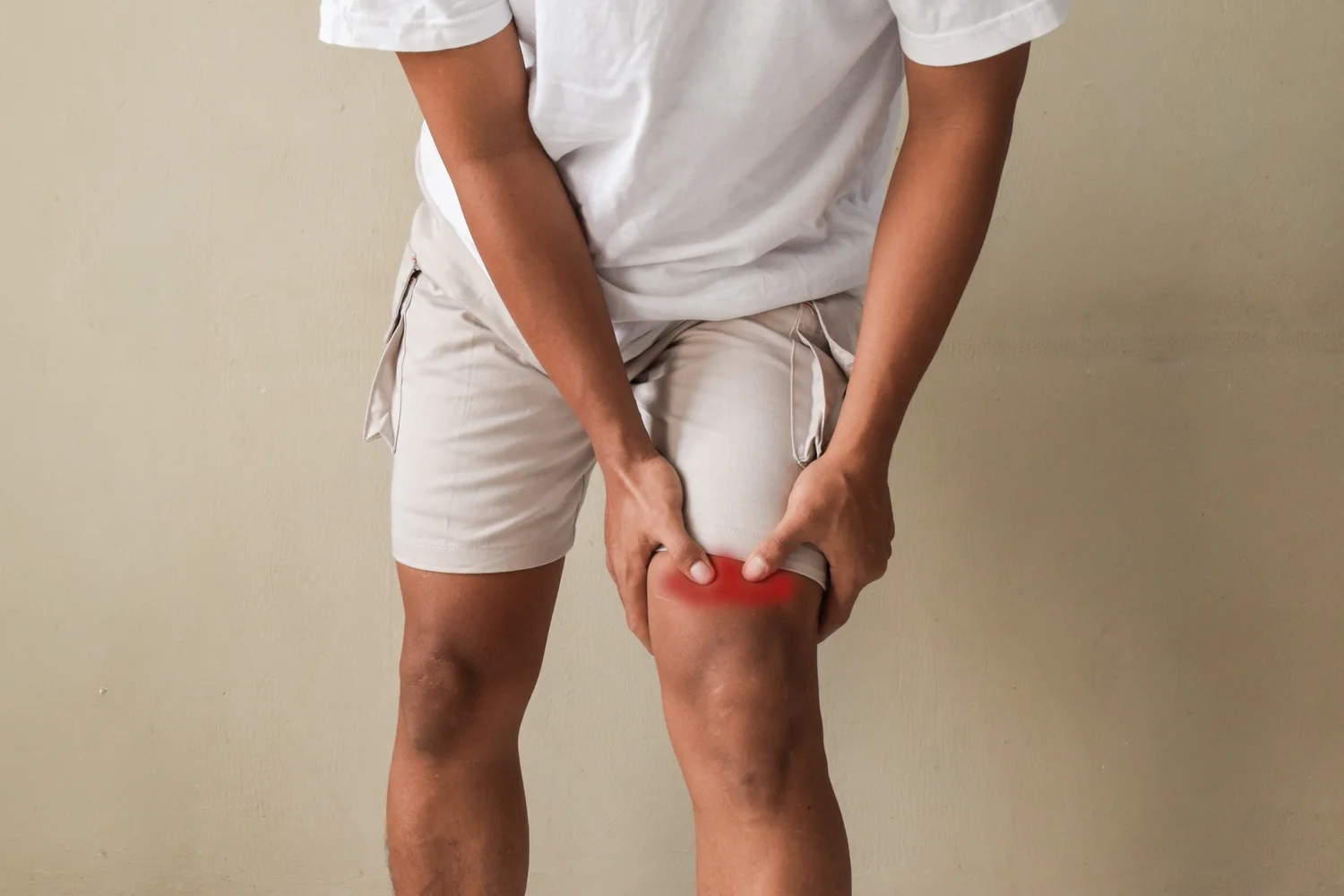
IT Band Syndrome Treatment in Coachella Valley
Understanding IT Band Syndrome
Iliotibial Band Syndrome (IT Band Syndrome or ITBS) is one of the most common overuse injuries affecting runners, cyclists, and active individuals. The condition develops when the iliotibial band, a thick band of connective tissue that runs along the outside of the thigh, becomes irritated due to repetitive friction or excessive tension.
Although IT Band Syndrome is often associated with knee pain, it can also cause pain along the outer hip and thigh. Without proper treatment, symptoms may worsen and interfere with exercise, sports participation, and daily activities.
At Spencer Orthopedics, we provide comprehensive diagnosis and treatment options to help patients relieve pain, improve movement, and safely return to an active lifestyle.
What Is the Iliotibial Band?
The iliotibial band is a strong band of fibrous tissue that extends from the pelvis down the outside of the thigh to the tibia (shin bone).
The IT band works together with the surrounding muscles to:
- Stabilize the hip and knee
- Support walking and running
- Assist with balance and movement
- Help control leg mechanics during activity
When excessive stress is placed on the IT band, inflammation and irritation can develop along its course.
What Is IT Band Syndrome?
IT Band Syndrome occurs when the iliotibial band repeatedly rubs against underlying structures during movement, causing irritation and inflammation.
The condition most commonly affects:
- The outside of the knee
- The outer hip region
- The lateral thigh
Symptoms often develop gradually and become more noticeable during repetitive activities.
Common Causes of IT Band Syndrome
IT Band Syndrome is typically caused by repetitive stress rather than a single traumatic event.
Running
Long-distance runners frequently develop IT Band Syndrome, particularly when training intensity increases rapidly.
Cycling
Repetitive pedaling motions can place stress on the IT band and surrounding muscles.
Muscle Imbalances
Weakness in the hip muscles can contribute to abnormal movement patterns and increased strain on the IT band.
Tightness of the IT Band
Reduced flexibility may increase friction and tension during activity.
Training Errors
Common training factors include:
- Sudden increases in mileage
- Inadequate recovery
- Running on uneven surfaces
- Poor training techniques
Biomechanical Factors
Certain structural factors may contribute to IT Band Syndrome, including:
- Leg length differences
- Flat feet
- Poor running mechanics
- Hip weakness
Symptoms of IT Band Syndrome
Symptoms typically worsen during activity and improve with rest.
Common symptoms include:
- Pain on the outside of the hip
- Pain along the outer thigh
- Pain on the outside of the knee
- Tenderness along the IT band
- Discomfort during running or cycling
- Tightness in the hip or thigh
- Increased pain when climbing stairs
- Pain that worsens with repetitive movement
Many patients report that symptoms begin after a certain distance or duration of exercise.
Diagnosing IT Band Syndrome
A thorough evaluation helps identify the cause of symptoms and rule out other hip or knee conditions.
Physical Examination
Your orthopedic specialist may assess:
- Hip strength
- Flexibility
- Walking and running mechanics
- Areas of tenderness
- Functional movement patterns
Imaging Studies
Although imaging is not always necessary, it may be used to exclude other conditions.
X-Rays
X-rays help rule out fractures, arthritis, and structural abnormalities.
MRI
MRI may be recommended if symptoms persist or if another injury is suspected.
Ultrasound
Ultrasound can help evaluate soft tissue inflammation around the hip and knee.
Non-Surgical Treatment Options
Most patients recover successfully without surgery.
Activity Modification
Reducing or temporarily stopping aggravating activities allows inflammation to subside.
Physical Therapy
Physical therapy is one of the most effective treatments for IT Band Syndrome.
Treatment may focus on:
- Stretching the IT band
- Improving flexibility
- Strengthening the hip muscles
- Correcting movement patterns
- Improving balance and stability
Anti-Inflammatory Medications
Medication may help reduce pain and inflammation during recovery.
Ice Therapy
Applying ice after activity can help control symptoms.
Training Modifications
Patients may benefit from:
- Gradual training progression
- Improved running mechanics
- Proper footwear
- Cross-training activities
Corticosteroid Injections
In select cases, injections may help reduce inflammation and pain.
Surgical Treatment for IT Band Syndrome
Surgery is rarely required.
However, surgical intervention may be considered when:
- Symptoms persist despite extensive treatment
- Functional limitations remain significant
- Conservative care fails after an extended period
Surgical procedures may involve releasing a portion of the IT band to reduce tension and friction.
Recovery and Rehabilitation
Recovery depends on symptom severity, activity level, and adherence to treatment recommendations.
Most patients can expect:
- Gradual reduction in pain
- Improved flexibility
- Increased strength
- Return to sports and exercise
Many individuals recover fully with a structured rehabilitation program.
Potential Complications of Untreated IT Band Syndrome
Without proper treatment, symptoms may become chronic and lead to:
- Persistent pain
- Reduced athletic performance
- Hip weakness
- Altered movement patterns
- Increased risk of additional injuries
Early treatment can help prevent long-term problems and speed recovery.
When Should You See an Orthopedic Specialist?
You should seek evaluation if you experience:
- Persistent pain along the outer hip or knee
- Symptoms that worsen during exercise
- Difficulty participating in sports
- Pain that does not improve with rest
- Recurring episodes of IT Band Syndrome
Prompt evaluation can help identify contributing factors and guide effective treatment.
Schedule an Appointment
If you are experiencing pain along the outside of your hip, thigh, or knee, contact Spencer Orthopedics today to schedule an evaluation and learn more about your treatment options for IT Band Syndrome.


