
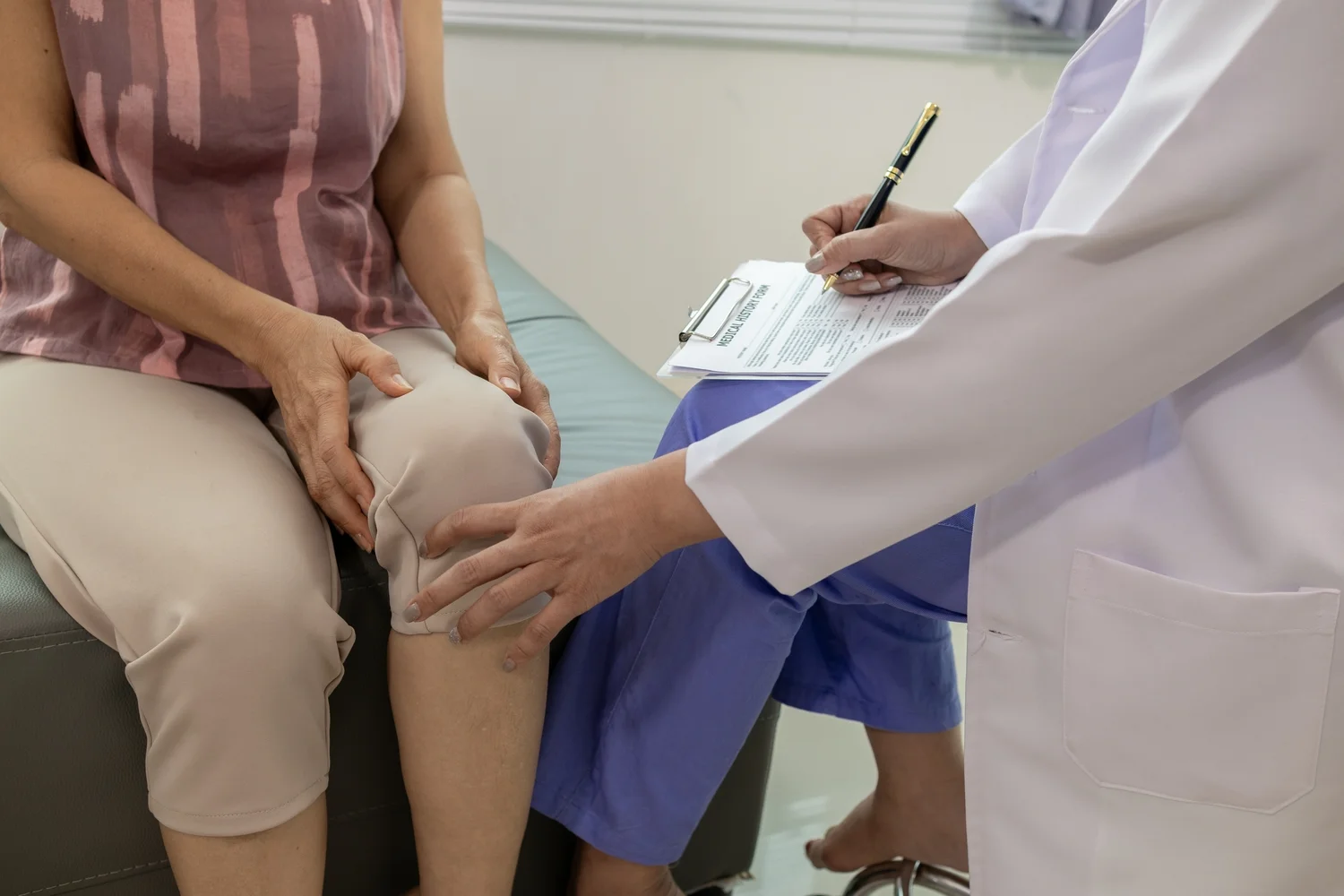
Cartilage (Osteochondral) Injuries Treatment in Coachella Valley
Understanding Cartilage (Osteochondral) Injuries
Cartilage injuries of the knee, also known as osteochondral injuries, occur when damage affects the smooth cartilage surface of the joint and, in some cases, the underlying bone. These injuries can result from sports trauma, repetitive stress, dislocations, or degenerative changes and may cause pain, swelling, instability, and loss of knee function.
Because cartilage has a limited ability to heal on its own, early diagnosis and treatment are important to help preserve joint health and reduce the risk of future arthritis.
At Spencer Orthopedics, we provide comprehensive evaluation and treatment for cartilage injuries using both non-surgical and advanced joint preservation techniques.
What Is Articular Cartilage?
Articular cartilage is the smooth, durable tissue that covers the ends of bones within a joint.
In the knee, cartilage allows the femur, tibia, and patella to move smoothly against one another while:
- Reducing friction
- Absorbing impact forces
- Protecting the underlying bone
- Supporting normal joint function
When cartilage becomes damaged, the joint may no longer move smoothly, resulting in pain and mechanical symptoms.
What Is an Osteochondral Injury?
An osteochondral injury occurs when damage affects:
- The articular cartilage
- The underlying bone (subchondral bone)
- Or both structures simultaneously
These injuries range from small cartilage defects to larger lesions involving significant portions of cartilage and bone.
Without treatment, osteochondral injuries may progress and contribute to joint degeneration.
Common Causes of Cartilage Injuries
Cartilage injuries can develop from acute trauma or chronic wear.
Sports Injuries
Athletes frequently sustain cartilage damage during:
- Pivoting movements
- Sudden impacts
- Jumping and landing
- Contact sports
Patellar Dislocations
A kneecap dislocation may cause cartilage damage when the patella shifts out of position.
Ligament Injuries
Cartilage injuries commonly occur alongside:
- ACL tears
- PCL tears
- Multi-ligament knee injuries
Meniscus Injuries
Damage to the meniscus may increase stress on cartilage surfaces.
Repetitive Wear
Over time, repetitive loading may contribute to cartilage breakdown.
Osteochondritis Dissecans (OCD)
This condition involves loss of blood supply to a small area of bone and cartilage, potentially resulting in fragment separation.
Symptoms of Cartilage Injuries
Symptoms vary depending on the size and location of the defect.
Common symptoms include:
- Knee pain
- Swelling
- Stiffness
- Clicking sensations
- Catching or locking
- Reduced range of motion
- Difficulty with sports
- Pain during weight-bearing activities
- Knee instability
Some patients experience symptoms only during high-level activity, while others develop persistent discomfort during daily tasks.
Diagnosing Cartilage Injuries
Accurate diagnosis is essential for determining the severity of damage and selecting appropriate treatment.
Physical Examination
Your orthopedic specialist may evaluate:
- Joint swelling
- Range of motion
- Areas of tenderness
- Knee stability
- Functional limitations
Imaging Studies
X-Rays
X-rays may identify:
- Loose fragments
- Bone abnormalities
- Degenerative changes
MRI
MRI is one of the most useful imaging studies for evaluating cartilage injuries.
MRI can help identify:
- Cartilage defects
- Osteochondral lesions
- Bone edema
- Associated ligament injuries
- Meniscus tears
CT Scan
In certain cases, CT imaging may provide additional information regarding bone involvement.
Non-Surgical Treatment Options
Some cartilage injuries can be managed conservatively.
Activity Modification
Reducing activities that aggravate symptoms may help prevent worsening of the injury.
Physical Therapy
Physical therapy may focus on:
- Improving mobility
- Strengthening supporting muscles
- Enhancing stability
- Reducing joint stress
Anti-Inflammatory Medication
Medication may help relieve pain and swelling.
Bracing
Certain braces may improve joint mechanics and symptom control.
Injection Therapy
Selected patients may benefit from injection treatments to help manage symptoms.
Surgical Treatment for Cartilage Injuries
Surgery may be recommended when:
- Symptoms persist despite conservative treatment
- Mechanical symptoms develop
- Significant cartilage loss is present
- Joint preservation is a priority
Arthroscopic Debridement
Damaged cartilage and loose fragments may be removed to improve joint function.
Microfracture
Small holes are created in the underlying bone to stimulate cartilage repair.
Osteochondral Autograft Transfer (OATS)
Healthy cartilage and bone are transferred from another area of the joint to repair the defect.
Osteochondral Allograft Transplantation
Donor cartilage and bone may be used to restore larger defects.
Autologous Chondrocyte Implantation (ACI)
Specialized cartilage restoration procedures may be considered for selected patients.
Recovery and Rehabilitation
Recovery depends on:
- Injury size
- Treatment method
- Patient activity level
- Overall knee health
Most rehabilitation programs focus on:
- Protecting the repair
- Restoring motion
- Improving strength
- Gradually returning to activity
Recovery timelines vary considerably depending on the procedure performed.
Potential Complications of Untreated Cartilage Injuries
Without treatment, cartilage injuries may lead to:
- Chronic pain
- Recurrent swelling
- Progressive cartilage loss
- Reduced athletic performance
- Joint degeneration
- Early osteoarthritis
Early intervention may help preserve joint function and delay arthritis progression.
When Should You See an Orthopedic Specialist?
You should seek evaluation if you experience:
- Persistent knee pain
- Swelling after activity
- Catching or locking sensations
- Reduced mobility
- Knee symptoms following a sports injury
- Ongoing discomfort that does not improve
Prompt diagnosis can help identify cartilage damage before more extensive joint deterioration occurs.
Schedule an Appointment
If you are experiencing knee pain, swelling, or symptoms of a cartilage injury, contact Spencer Orthopedics today to schedule an evaluation and learn more about your treatment options for cartilage restoration and joint preservation.


