
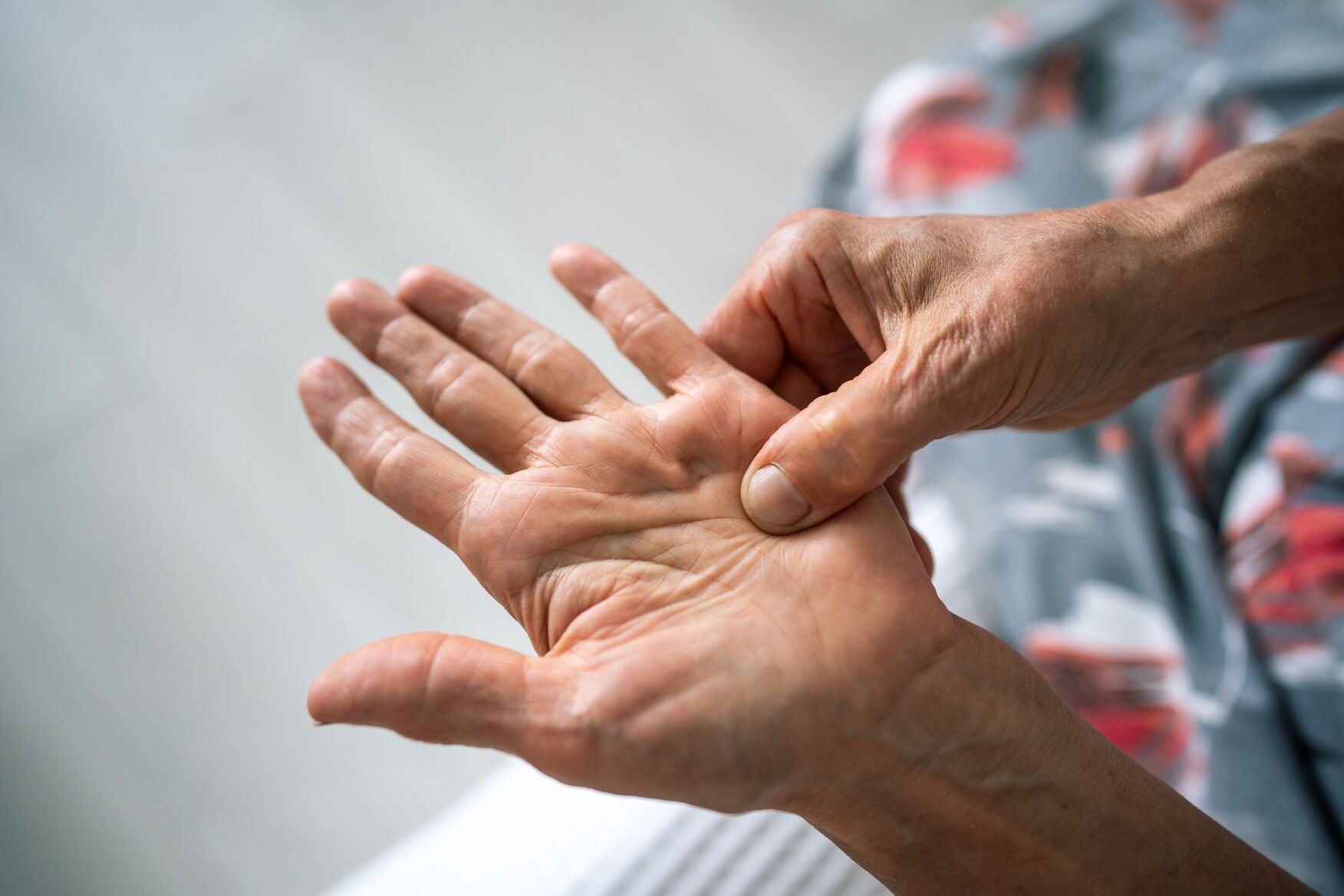
Dupuytren's Contracture Care in Palm Desert and La Quinta
Spencer Orthopedics provides hand and wrist care for patients in Palm Desert, La Quinta, and the Coachella Valley. Dupuytren's Contracture involves thickening of tissue in the palm that can gradually pull fingers toward the palm. Because the hand is essential for work, sports, self-care, and daily independence, even a small limitation can have a large effect on quality of life.
Hand and wrist conditions often require careful evaluation because bones, joints, tendons, ligaments, nerves, blood vessels, and skin work closely together. Pain in one area can affect grip, pinch, dexterity, sensation, and confidence. The goal of care is to identify the exact problem, explain the available options, and help patients make decisions that support long-term function.
Symptoms We Evaluate
Symptoms may include palm nodules, cords, finger contracture, difficulty placing the hand flat, and trouble with gloves or pockets. Some symptoms are mild at first and become more noticeable with activity. Others appear suddenly after an injury, cut, fall, twist, or impact. Any persistent pain, loss of motion, numbness, weakness, or change in appearance should be evaluated, especially when it affects hand use.
Patients should seek prompt care for severe pain, deformity, open wounds, loss of finger motion, progressive numbness, rapidly increasing swelling, signs of infection, or a possible fracture or tendon injury. Early diagnosis can protect function and may reduce the risk of stiffness, weakness, or chronic pain.
Causes and Risk Factors
Common causes and risk factors include genetics, family history, age, Northern European ancestry, diabetes, smoking, and other risk factors. Some hand and wrist conditions are related to trauma, while others develop gradually from repetitive use, inflammation, nerve compression, arthritis, or changes in tissue quality over time.
Work demands, sports, hobbies, computer use, tools, prior injuries, medical conditions, and family history may all influence symptoms. Understanding these factors helps the care team decide whether treatment should focus on protection, motion, strengthening, nerve recovery, inflammation control, surgical repair, or long-term joint management.
Diagnosis and Imaging
A hand and wrist evaluation usually begins with a detailed history and physical exam. The provider may assess tenderness, swelling, joint alignment, range of motion, grip strength, pinch strength, tendon function, nerve sensation, circulation, scar mobility, and how the condition affects daily tasks. For athletes and workers, the exam may also include task-specific movements.
X-rays can identify fractures, arthritis, alignment problems, or bone changes. MRI, ultrasound, nerve studies, CT scan, or additional tests may be recommended depending on the suspected diagnosis. The best treatment plan comes from matching the exam, symptoms, imaging, and patient goals.
Treatment Options
Treatment may include observation, activity modification, splinting, custom orthotics, medication guidance, injections, occupational or hand therapy, wound care, fracture care, or a structured rehabilitation plan. Hand therapy may focus on swelling control, scar management, range of motion, strengthening, tendon gliding, nerve gliding, dexterity, and practical use of the hand.
Surgery may be considered when there is a fracture that needs stabilization, tendon or nerve injury, progressive deformity, persistent compression, severe arthritis, instability, or symptoms that do not respond adequately to conservative care. When surgery is recommended, the care plan also includes recovery expectations and therapy needs.
Recovery and Functional Goals
Recovery is different for every patient. A person who types all day may have different goals than a musician, golfer, pickleball player, surgeon, mechanic, caregiver, or retiree who wants to garden comfortably. The care plan should reflect the activities that are most important to the patient.
Long-term success often depends on protecting healing tissue while preventing unnecessary stiffness. This balance is especially important in the hand, where small joints and tendons can become stiff quickly. Education, therapy, home exercises, and follow-up care can help patients regain motion, strength, comfort, and confidence.
If hand or wrist symptoms are affecting your daily function, Request an appointment with Spencer Orthopedics to discuss your symptoms, diagnosis, and treatment options.


