
If you participate in basketball, tennis, soccer, volleyball, football, gymnastics, or downhill skiing, you're at increased risk of damaging your anterior cruciate ligament, or ACL. In most cases, ACL tears put an immediate stop to participation in sports until treatment is received, so it's important to schedule an appointment as soon as you suspect an ACL injury.
ACL Reconstruction Q&A
ACL injuries are immediately apparent. You might hear a loud pop when you injure your ACL and then experience immediate pain requiring you to stop the activity you were performing when the injury occurred.
Within just a few hours, swelling develops and you find that you're unable to extend or flex your knee. When you try to bear weight, your knee may give out.
Whether you need a referral to the clinic depends on the agreement you have with your insurance policy.
To learn more about your insurance policy, you can either cite the policy itself or call your insurance carrier's member services department. They can help you determine the necessary steps to see a specialist or schedule surgery if required.
Additionally, the team at STAR Ortho will work with your insurance carrier by submitting essential documentation before and after surgery.
Not everybody needs surgery for ACL injuries. In some cases, strengthening exercises can help restore stability and avoid surgery.
The only way to know for sure whether you need surgery or can benefit from more conservative treatment options is to schedule an appointment with a doctor who specializes in orthopedics.
In most cases, your provider administers general anesthesia during ACL reconstruction surgery.
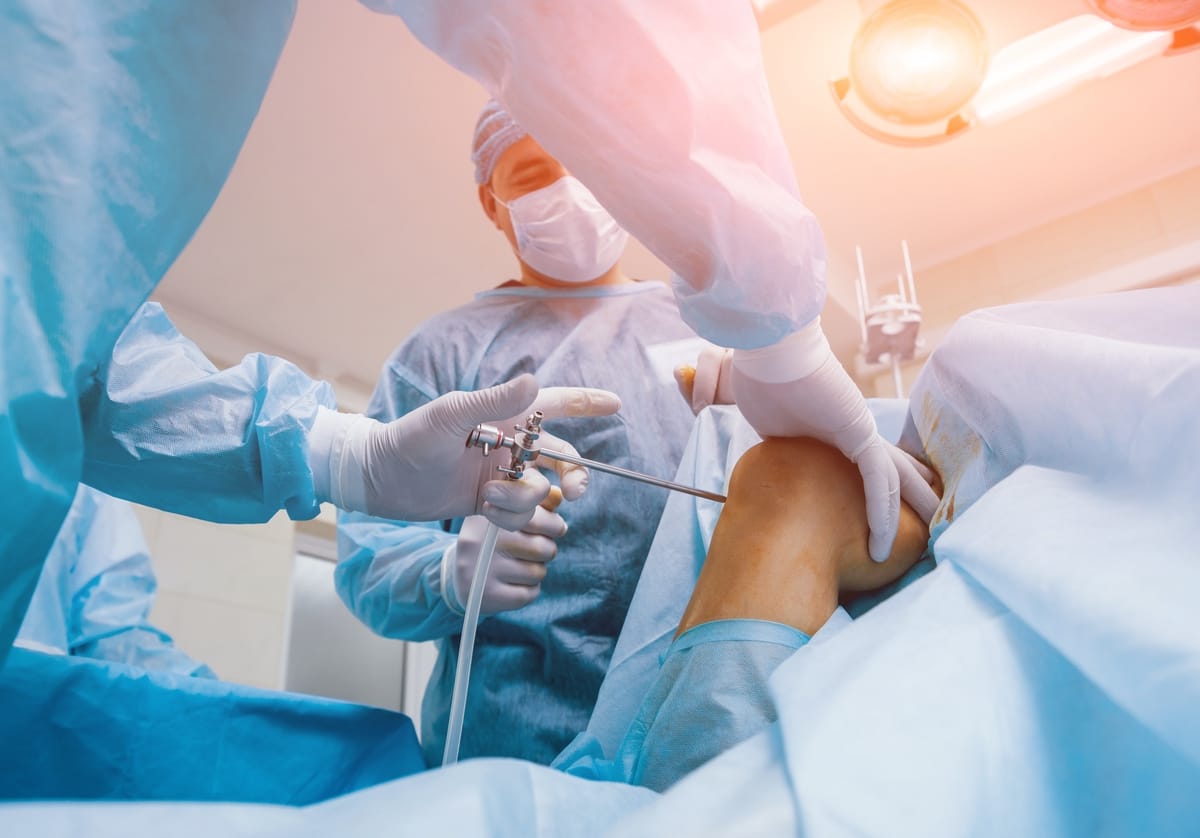
The doctor will access the ACL through tiny incisions; one will be used to insert a camera and visualize the treatment area while an additional two small incisions will be used to insert small, precise surgical instruments.
Once you're sedated and unable to feel pain, the surgeon completely removes the injured ligament and replaces it with a graft, harvested from a donor or a tendon in another area of your knee. Your practitioner screws or otherwise permanently attaches the graft to the shinbone and thighbone and closes the incision.
You&apost;ll be able to go home the same day as your procedure if all goes well.
Following surgery, you'll need to spend some time at home resting your knee and following your surgeon's guidance to manage pain and promote healing. Physical therapy is usually required to strengthen the joint and regain range of motion after surgery.


